If your child is turning five this year, the “Kindergarten Question” is likely keeping you up at night. You might be wondering if they know enough sight words or if they can count to twenty.
At The Village and the Rutledge Institute, we want to let you in on a little secret: readiness isn’t about academics. It’s about the skills underneath them.
While knowing letters and numbers is a wonderful head start, it isn’t what kindergarten teachers worry about most. When children struggle in those first few months, it’s rarely because they can’t recite the alphabet. Usually, it’s because they struggle to sit in a chair for ten minutes, manage their feelings when they lose a game, or follow a two-step direction.
The “Hidden” Readiness Markers
True readiness involves developmental milestones—social, emotional, and physical—that create the foundation for all future learning. Our team of educators and specialists (including SLPs, OTs, and PTs) look for these “underneath” skills:
- Self-Regulation: Can they manage a transition (like moving from playtime to clean-up) without a major meltdown?
- Social Communication: Can they work cooperatively in a group or take turns?
- Independence: Can they manage their own belongings and basic needs?
“The most important kindergarten skill isn’t reading—it’s being able to say ‘I need help’ when something is hard. Kids who can advocate for themselves and handle small frustrations are set up to thrive. Everything else builds on that foundation.”
Five Pillars of Kindergarten Success
To help you gauge where your child stands, look for progress in these five key areas:
1. Social & Emotional Intelligence
Kindergarten is a social marathon. Children need to be able to share, recognize the feelings of others, and use basic strategies—like taking a deep breath—to manage their own big emotions.
2. Communication & Self-Advocacy
A child who can say, “I don’t understand” or “I need to go to the bathroom” is a child who is ready for a classroom. Being able to express needs to an adult is essential for safety and learning.
3. Self-Help Skills
In a classroom of 20+ students, independence is a superpower. Teachers look for children who can:
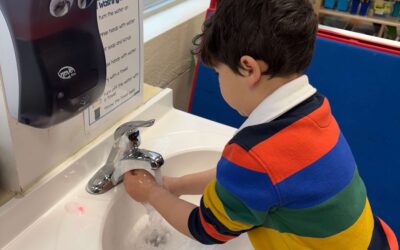
- Use the bathroom independently.
- Put on their own shoes or coat.
- Clean up their workspace after an activity.
4. Motor Skills (Fine and Gross)
- Fine Motor: The strength to hold a pencil, use scissors, or manipulate small blocks.
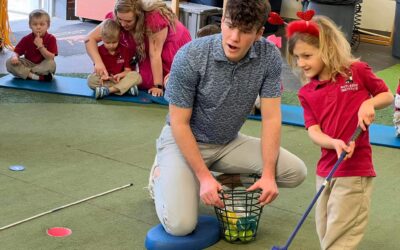
- Gross Motor: The physical coordination to run, jump, and climb during recess.
5. Attention Span
While we don’t expect five-year-olds to be statues, they should be able to focus on a single task or story for at least 10 to 15 minutes and follow simple instructions.
Try This This Week: The Readiness Check
You don’t need a formal test to see where your child is. Simply watch for these three things in your everyday routine:
- The 2-Step Challenge: Give a direction like, “Put your shoes in the cubby and then pick out a book.” If they consistently need you to repeat each step individually, they may need more practice with auditory processing.
- The Transition Test: Notice what happens when it’s time to stop playing and come to dinner. Some resistance is normal, but prolonged, intense difficulty moving from one task to another is a flag worth noting.
- The “I Need” Check: When your child struggles with a toy or a zipper, wait a beat. Do they scream in frustration, or can they find the words to ask for help?
We’re Here to Help
If your child has strong academics but struggles with independence, self-regulation, or social communication, it’s better to pay attention now rather than waiting until October.
At The Village and the Rutledge Institute, our Pre-K and preschool programs are designed specifically to bridge these gaps. We focus on the “whole child,” ensuring that when they walk through those kindergarten doors, they aren’t just ready to learn—they’re ready to thrive.
Curious about our approach? Reach out today to learn more about how we prepare our students for the big transition ahead!