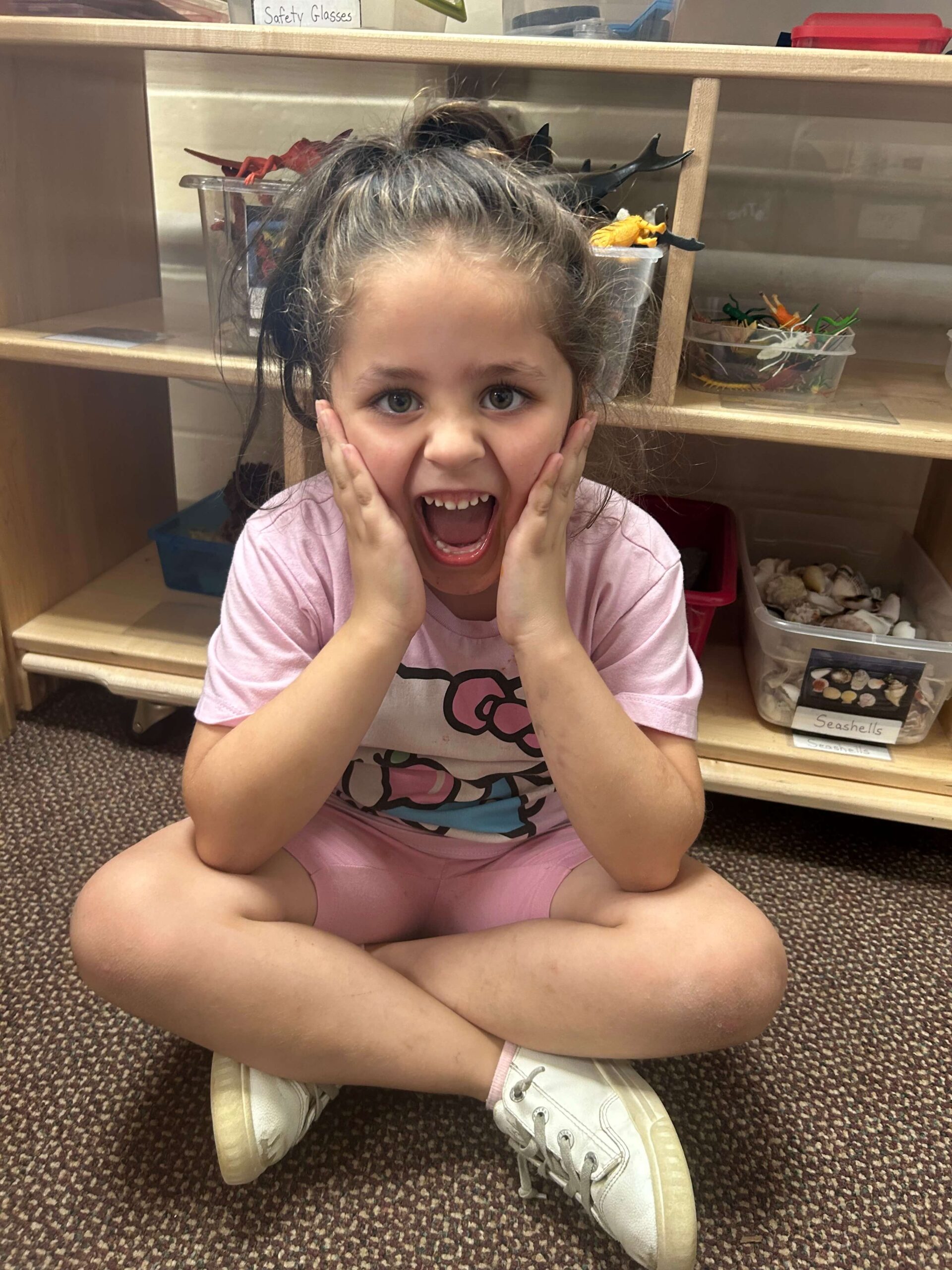
Emotional development is a cornerstone of a child’s growth. As parents and educators, we play a crucial role in helping little ones understand and express the full spectrum of their feelings. It’s a journey that builds a foundation for strong mental health, resilience, and positive relationships. At The Village and The Rutledge Institute, we believe in nurturing the whole child, and that includes their emotional well-being. Here are some simple, yet effective, ways you can support your child’s emotional development at home.
1. Give Feelings a Name 🗣️
The first step in emotional regulation is emotional identification. Toddlers and preschoolers don’t have the vocabulary to say, “I’m frustrated because my tower keeps falling down.” Instead, they might throw the blocks or cry. You can help by providing the words for their emotions.
- Be a feeling detective: When you notice your child’s behavior, connect it to a feeling. “You seem angry that your friend took your toy.” “You look so happy playing with the bubbles!”
- Use feeling charts or books: Tools like a “feelings wheel” or books that show different emotions can be a great way to introduce the concept of feelings in a visual way.
- Talk about your own feelings: Model healthy emotional expression by talking about how you feel. “I’m a little tired today, so I’m going to sit down for a minute.”
2. Validate, Don’t Dismiss ❤️
It’s tempting to tell a crying child, “It’s okay, don’t be sad.” While well-intentioned, this can send the message that their feelings are wrong or should be hidden. Instead, validate their emotions.
- Acknowledge and accept: Say things like, “I can see you’re feeling sad right now. It’s okay to feel sad.” This simple acknowledgment shows your child that their feelings are valid and you are there to support them.
- Avoid “toxic positivity”: Don’t try to immediately cheer them up or find a silver lining. Allow them to sit with the emotion, with you as a supportive presence. Once the initial big feeling has passed, you can then move on to problem-solving.
3. Teach Healthy Coping Strategies 🧘
Once a child can identify and accept their feelings, the next step is learning how to manage them in a healthy way. This is a skill that takes practice!
- Offer calming tools: Create a “calm-down corner” with pillows, soft blankets, and books. Teach simple techniques like taking deep breaths (“smell the flower, blow out the candle”) or giving themselves a hug.
- Redirect energy: For feelings like anger or frustration, suggest physical outlets. “You’re feeling really mad. Let’s stomp our feet like a dinosaur!”
- Problem-solve together: After the big emotion has subsided, talk about what happened and how you can approach it differently next time. This helps them build problem-solving skills and a sense of control.
At The Village and The Rutledge Institute, we use these same principles every day to create a safe and nurturing environment where children can freely explore and express their feelings. By working together, we can empower our little ones to become emotionally intelligent, resilient individuals.
Other Resources from The Fred Rogers Institute: