At The Village and The Rutledge Institute, we’ve seen countless times that a child thriving isn’t just “luck”—it’s often the beautiful result of thoughtful preparation. And one of the most powerful tools in that preparation toolkit? Routine.
While “routine” might sound a bit rigid or boring to adult ears, for a young child, it’s anything but. Routines are the invisible scaffolding that supports their entire day, turning potential chaos into calm and uncertainty into confidence.
Why Routines Are Essential for Little Learners
- They Create a Sense of Predictability and Security: Imagine navigating your day without knowing what’s next. Stressful, right? For young children, who are still learning about the world, a predictable routine acts like a comforting map. Knowing that after breakfast comes playtime, then a story, then snack, helps them feel safe and in control. This security is foundational for emotional regulation and open exploration.
- They Build Independence and Confidence: When a child knows what to expect, they can anticipate their role. “After teeth brushing, I pick out my pajamas.” This seemingly small sequence empowers them. They don’t have to constantly ask “What’s next?” or wait for instructions. They become active participants in their day, fostering a powerful sense of “I can do it myself!”
- They Reduce Power Struggles (Eventually!): Let’s be real, even with routines, toddlers and preschoolers love to test boundaries. However, when an activity is part of the established routine (“It’s time to put on shoes before we leave,” not “I need you to put on your shoes now”), it shifts from being a parental demand to an expected part of the day. This reduces arguments over transitions, as the routine itself becomes the “boss.”
- They Help with Time Management and Self-Regulation: Routines inherently teach children about the passage of time. They learn that certain activities happen at certain points and for certain durations. This early understanding is crucial for developing self-regulation skills – the ability to manage emotions and behaviors in response to situations.
- They Support Cognitive Development: Consistent routines free up mental energy. Instead of constantly trying to figure out what’s happening next, a child’s brain can focus on learning, playing, and exploring. Predictable patterns also help their brains organize information and make connections, which are vital for all areas of development.
- They Make Transitions Easier: Transition times (like leaving the house, moving from play to mealtime, or bedtime) are often the trickiest parts of a child’s day. A well-established routine provides a clear signal for these shifts, making them smoother and less stressful for everyone.
Bringing Routine to Life at Home (and at The Village!)
- Be Consistent (Mostly!): Consistency is key, but remember that life happens. Don’t beat yourself up if a day goes off-schedule. Just get back to it the next day.
- Visualize the Day: Use visual schedules (pictures, drawings, or even a simple whiteboard) for younger children. Seeing the sequence helps them understand and follow along.
- Involve Your Child: Let them help create parts of the routine, especially choosing between two acceptable options (“Do you want to brush your teeth before or after you pick your book?”).
- Be Flexible When Needed: Routines are guides, not handcuffs. Adapt them as your child grows or as family needs change.
- Embrace the “Why”: Explain (simply!) why a routine is in place. “We clean up our toys so we have a clear space to play tomorrow.”
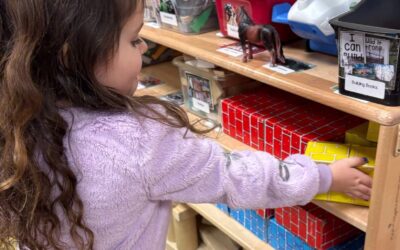
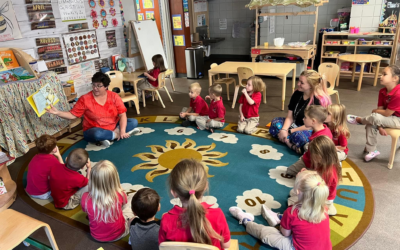
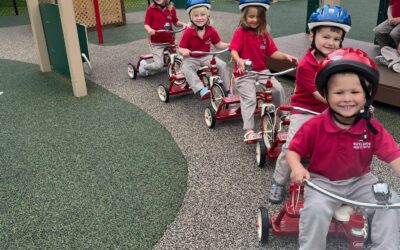
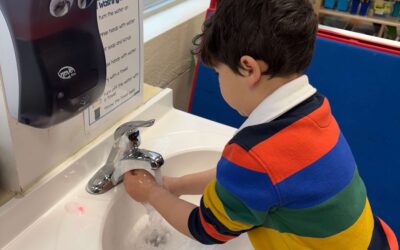
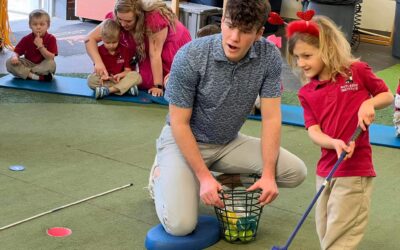
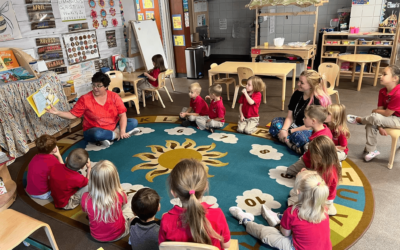
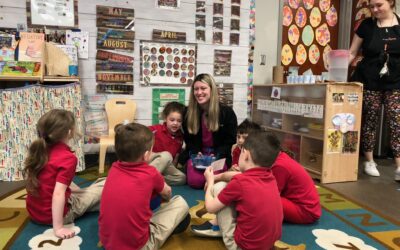
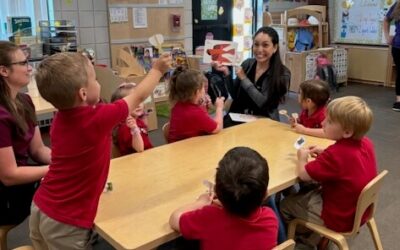
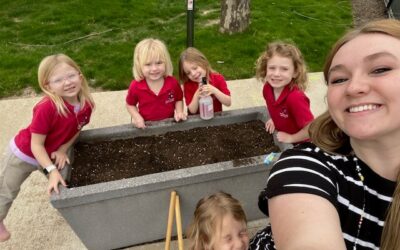
At The Village and The Rutledge Institute, our daily schedules are thoughtfully designed to provide this very sense of predictable order. From morning circle time to outdoor play and quiet reading, every activity flows into the next, creating an environment where children feel secure enough to take risks, explore, and learn.
So, while we might not believe in literal “luck” in early childhood development, we certainly believe that creating a prepared environment through consistent routines sets our children up for success in countless wonderful ways.