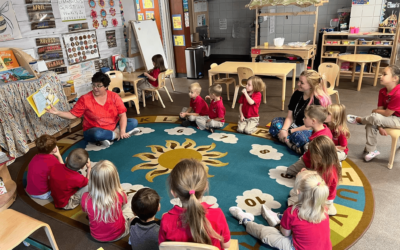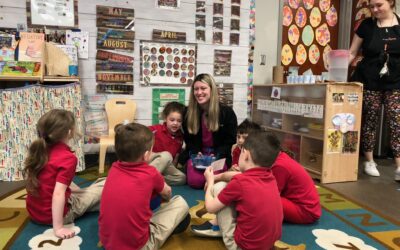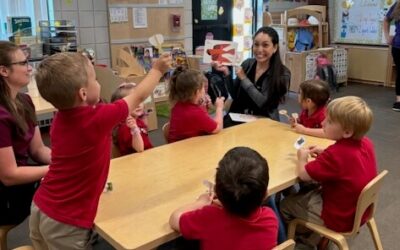
At The Village and The Rutledge Institute, we talk a lot about “the foundation.” While we often mean the educational building blocks of literacy and numeracy, the most important foundation a child can have is a secure, loving attachment to the adults in their lives.
In a world that often equates love with “stuff,” February presents a wonderful opportunity to pivot. While a box of chocolates or a new toy is a nice gesture, children speak a different love language—one rooted in presence, not presents.
Here are 10 ways to show your children you love and appreciate them this month that don’t cost a dime, but are worth everything.
1. Master the Art of “Floor Time”
In the busy rush of pick-ups, drop-offs, and dinner prep, we are often managing our children rather than playing with them. Set a timer for 15 minutes, put your phone in another room, and get down on the rug. Let them lead the play. When you enter their world on their level, it sends a powerful message: “What you enjoy matters to me.”
2. Create a “Secret” Connection
Identity and belonging are huge for preschoolers. Create a “Secret Handshake” or a special code word that only your family knows. This creates a “circle of us” that makes children feel safe and uniquely valued.
3. Share Their “Origin Stories”
Children at this age are fascinated by the idea that they were once smaller than they are now. Spend a few minutes telling them stories about the day they were born, the first time they laughed, or a funny thing they did as a toddler. It builds their sense of self and reinforces that they have been loved since day one.
4. Practice “Eye-Level” Listening
Next time your child wants to tell you about a drawing or a bug they found, try to physically get your eyes below theirs. Squatting or kneeling to listen makes the interaction feel less like a lecture and more like a conversation between friends.
5. Hugs From Home
A little piece of home during the day goes a long way. A small hand-drawn heart or a “hidden” sticker in their lunchbox or backpack serves as a physical reminder that you are thinking of them even when you are apart.
6. Narrate Their Strengths
Instead of a general “Good job,” try to narrate the specific character traits you see in them. “I noticed how patient you were while waiting for your turn,” or “It was so kind of you to help your friend.” This teaches them that you notice who they are, not just what they do.
7. The “Yes” Window
Parenting involves a lot of “nos” and “not nows.” Pick an hour this weekend to be the “Yes Parent.” Within the bounds of safety, say yes to the extra story, yes to wearing pajamas to the grocery store, or yes to having breakfast for dinner.
8. Let Them Be the Expert
Ask your child to teach you something. Whether it’s how to build a LEGO tower, a song they learned at The Village, or how to “properly” hop like a frog. Stepping into the role of the student empowers your child and shows you respect their skills.
9. Chore-Free Connection
Invite your child into your daily rhythm in a way that feels like a partnership. Instead of “cleaning up,” ask them to be your “co-chef” or “assistant gardener.” The goal isn’t efficiency; it’s the shared experience of working side-by-side.
10. The Power of the “Long Hug”
Research shows that a hug lasting at least 8 to 20 seconds releases oxytocin—the “bonding hormone”—in both the adult and the child. It’s a simple, physical way to reset a stressful afternoon and reconnect instantly.
At the end of the day, your child won’t remember the toys they receive, but they will remember how they felt in your presence. By choosing connection over consumption, you are building a resilient, confident, and loved human being.